Youth (K-12) Programs
Most mental health conditions develop between the ages of 15 and 25. Yet, there is typically a delay of 11 years before someone accesses the care and support they need.
A big reason why is stigma.
Learn how to help start conversations about
mental health in the community.
Youth Programs (K-12)
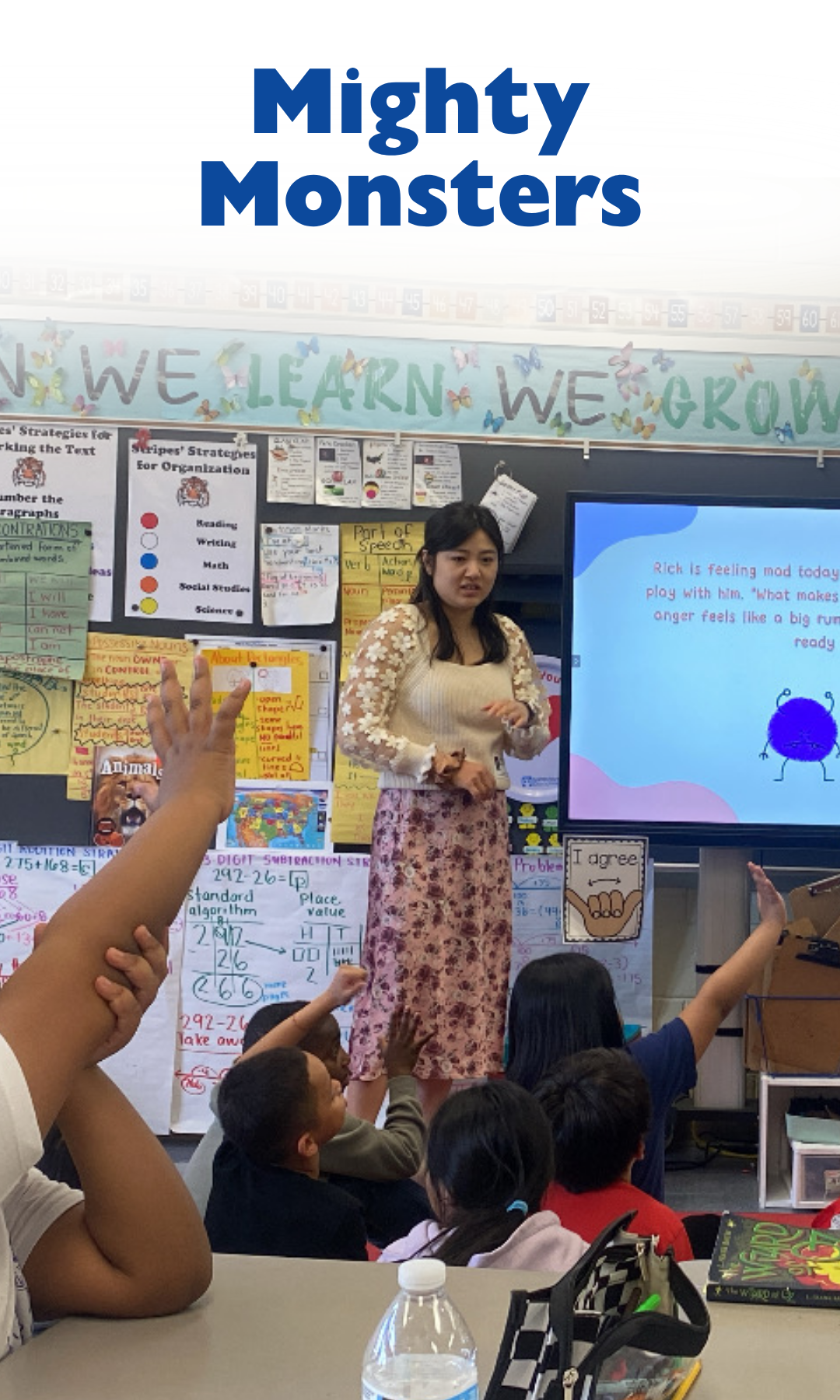
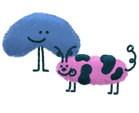
Mighty Monsters is a presentation in the style of a children's story that teaches 1st, 2nd, and 3rd graders about 5 core emotions, how to navigate them, and how to communicate their needs with a trusted adult.
Each 45-minute presentation features:
-The Mighty Monsters Story
-A post-reflection activity packet
-Take-home resources and a goody bag!
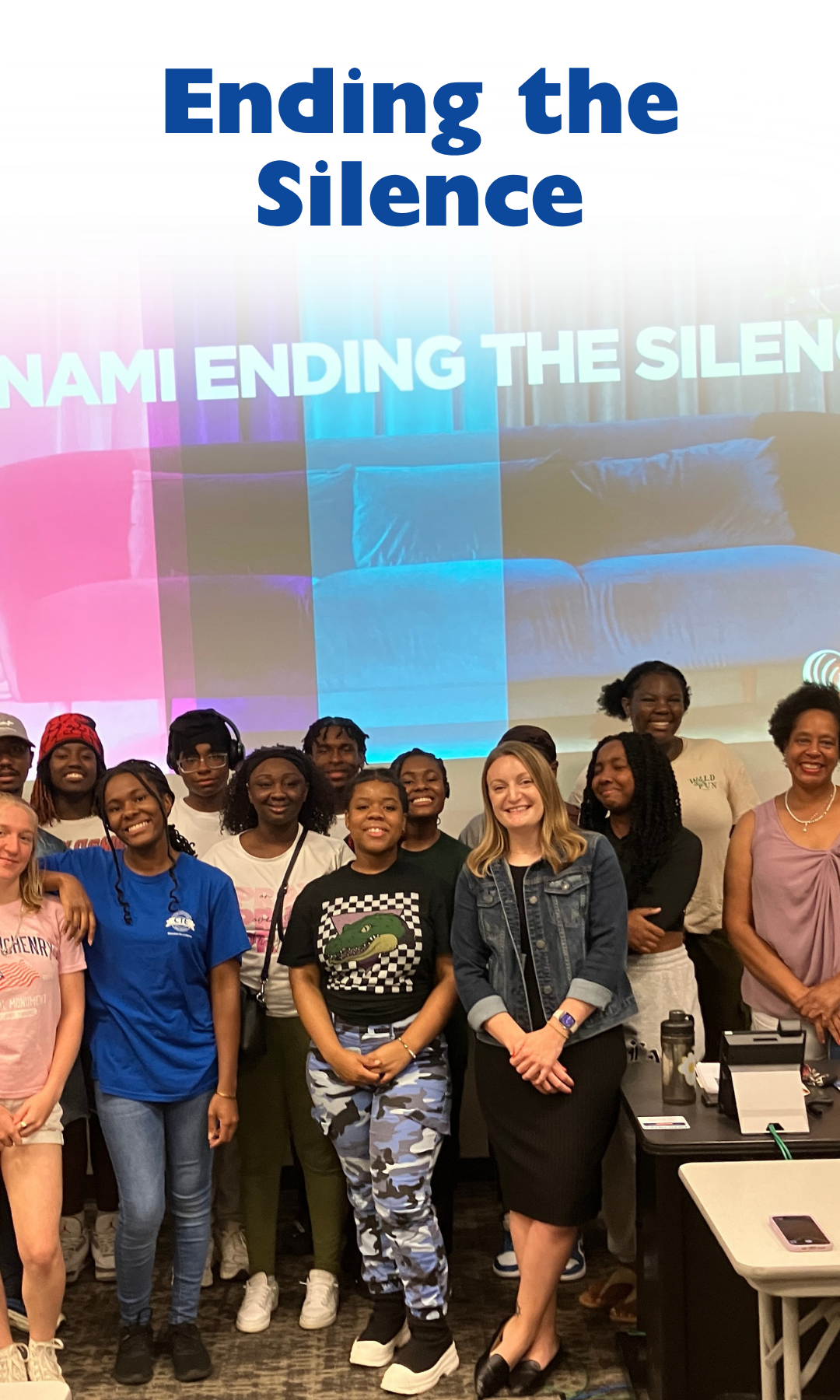
NAMI Ending the Silence presentations are free-of-cost to schools and youth-serving organizations. We offer three unique presentation formats for students, youth-facing staff, and families to tailor education and support to each audience.
All Presentations Teach:
-The warning signs of mental health conditions
-How to start candid conversations
-Where to seek support
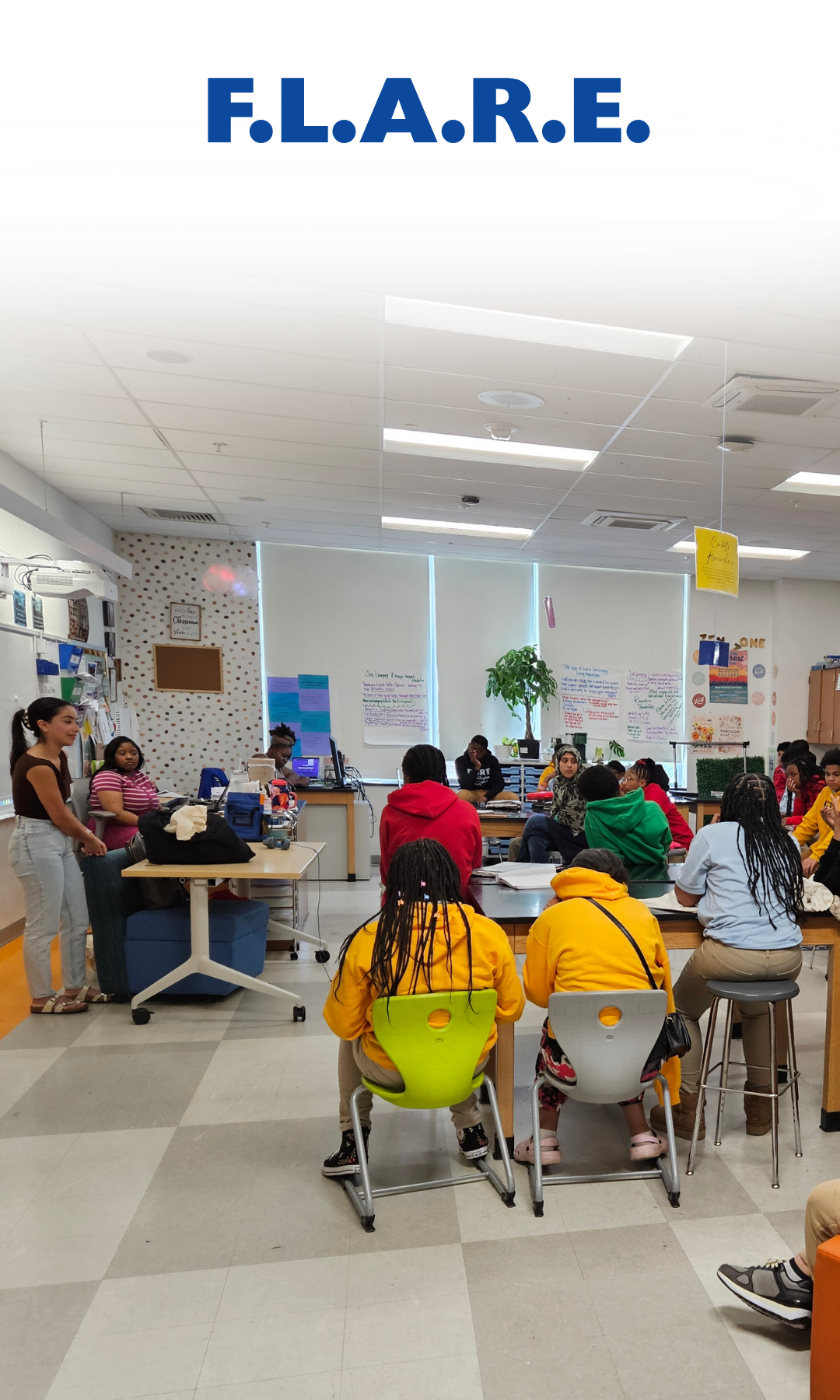
FLARE is a trauma-informed, flexible mental health curriculum designed for middle school classrooms. It equips students with the skills to understand emotions, reduce stigma, build resilience, and seek help when needed.
A quote from an 8th-grader
"...It explained mental conditions for what they really are, not something everyone assumes they are. It also gives you a much better understanding of how mental conditions affect someone’s life."
"Mighty Monsters has been a valuable support in addressing many of the mental health-related challenges we see in our school.
It helps students build a stronger emotional vocabulary, making it easier to express how they feel instead of acting out, and it also provides them with clear, age-appropriate coping strategies, like deep breathing, taking a break, or talking to a safe person, that they can use in real time when facing stress or frustration.”
-Glemount Elementary School Teacher